Embroidery Digitizing Overview
John Doe
Author
Embroidery Digitizing: Turning Artwork into Stitch-Perfect Designs
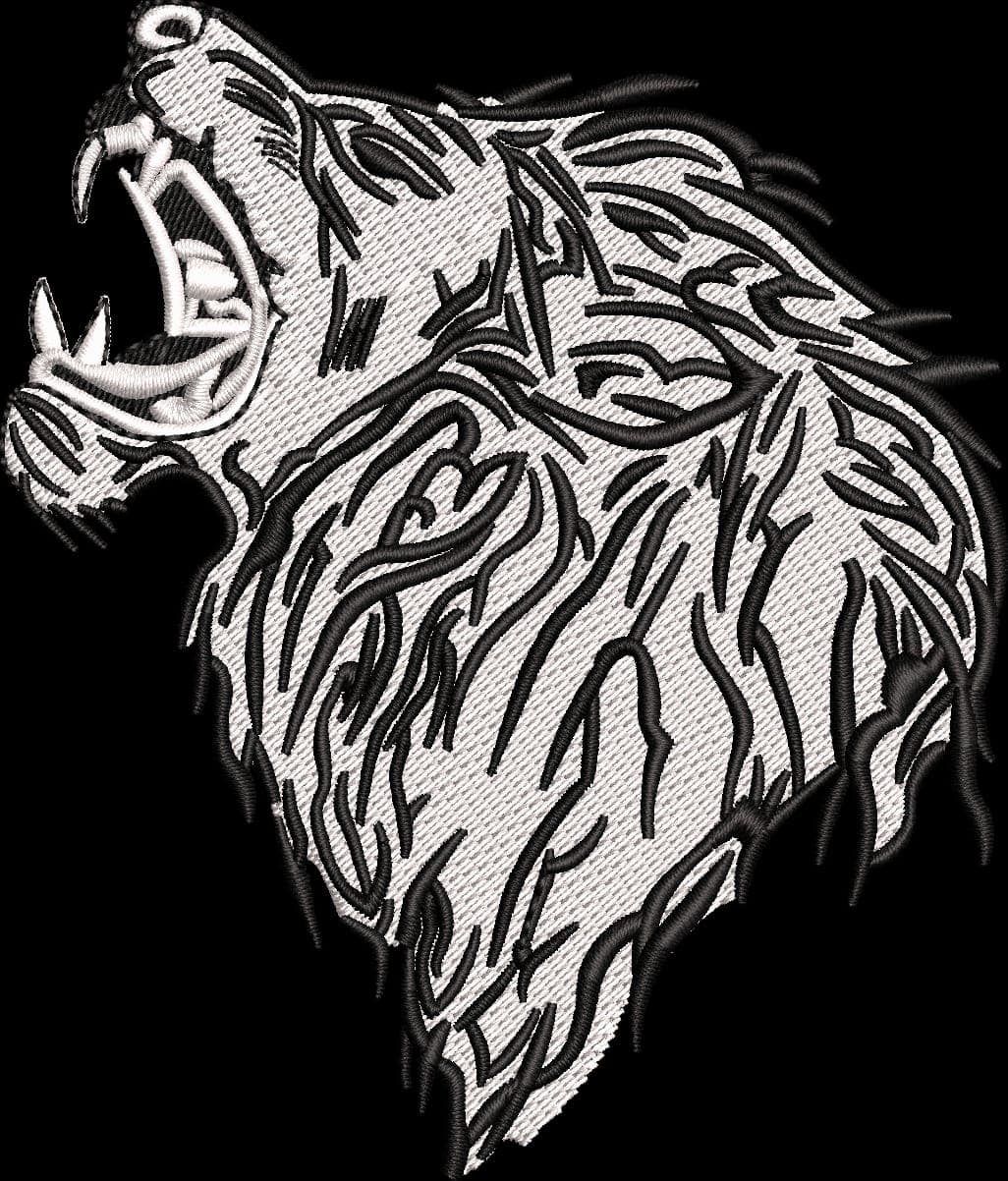
Embroidery digitizing is the process of converting artwork, logos, or text into a digital stitch file that embroidery machines can read and execute. Unlike simple image editing, digitizing requires a deep understanding of stitching techniques, fabric behavior, and machine capabilities. A well-digitized design ensures clean stitches, accurate shapes, and a professional finish on garments, caps, bags, and other embroidered products.
What Is Embroidery Digitizing?
At its core, embroidery digitizing translates visual elements into a series of commands—such as stitch type, direction, density, and sequence—that guide an embroidery machine. These commands determine how the needle moves, where the thread lays, and how the final design looks on fabric. Popular embroidery file formats include .EMB .DST .EMC .EMX .ESD .INP .PES and .PDF, each compatible with different machine brands.
Digitizing is not an automatic “one-click” process. While software can assist, professional digitizing relies heavily on human expertise. A digitizer must decide which stitch types work best for each part of the design—satin stitches for lettering, fill stitches for larger areas, and running stitches for fine details.
Why Quality Digitizing Matters
High-quality digitizing directly affects the appearance, durability, and efficiency of embroidery. Poor digitizing can cause issues such as thread breaks, puckering, misaligned elements, or distorted text. On the other hand, professionally digitized designs stitch out smoothly, save production time, and reduce thread waste.
Fabric choice also plays a critical role. A design digitized for a thick hoodie will not stitch well on a lightweight polo shirt unless it’s adjusted. Skilled digitizers account for fabric stretch, thickness, and texture by modifying stitch density and underlay to ensure consistent results across materials.
Benefits of Professional Embroidery Digitizing
Professional embroidery digitizing offers several advantages for businesses and individuals alike:
Precision and clarity: Clean edges and readable text, even at small sizes
Machine efficiency: Optimized stitch paths reduce machine wear and production time
Consistency: The same design stitches accurately across multiple items
Customization: Designs can be resized or adapted without losing quality
These benefits are especially important for branding, where logos must look identical on uniforms, promotional items, and merchandise.
Common Uses of Embroidery Digitizing
Embroidery digitizing is widely used across many industries. Apparel brands rely on it for logo embroidery on shirts, jackets, and caps. Sports teams use digitized designs for uniforms and merchandise. Corporate businesses use embroidered branding for a polished, professional look, while individuals often digitize custom designs for gifts or personal projects.
Choosing the Right Digitizing Service
When selecting an embroidery digitizing service, look for experience, fast turnaround times, and a portfolio that demonstrates clean stitch work. Good communication is also essential—your digitizer should understand your fabric, machine type, and final use to deliver the best possible results.
Final Thoughts
Embroidery digitizing is the foundation of successful machine embroidery. It combines technical knowledge with creative skill to transform artwork into stitch-ready designs that look great and last long. Whether you’re running an embroidery business or creating custom pieces, investing in quality digitizing ensures professional, reliable, and visually impressive results every time.